 octopushas3hearts
Related Articles
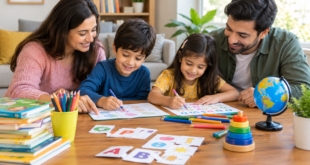


A healthy morning routine for kids can make a big difference in how the entire day feels. I believe mornings do not need to be rushed, stressful, or filled with constant reminders. With a simple routine, children can learn to wake up calmly, get ready independently, eat a healthy breakfast, and leave for school feeling prepared.
As a parent or caregiver, the goal should not be to create a perfect morning. Every family has different schedules, responsibilities, and needs. What matters most is creating a routine that children can understand and follow consistently. In my view, small habits repeated every morning can help children develop confidence, responsibility, and better time management skills.
Why a Healthy Morning Routine Matters for Kids
Children often respond well to routines because knowing what comes next makes the morning easier to manage. When children wake up without knowing what they need to do, they may become distracted or start delaying simple tasks.
A healthy morning routine gives children a predictable structure. They know when to wake up, get dressed, brush their teeth, eat breakfast, prepare their school bag, and get ready to leave.
A consistent morning routine can also encourage healthy habits. Children can learn the importance of personal hygiene, nutritious food, physical movement, organization, and punctuality from an early age.
I have found that the best routines are usually simple. Trying to fit too many activities into the morning can create more stress instead of reducing it.
Start With a Consistent Wake Up Time
The first step in creating a healthy morning routine for kids is choosing a reasonable wake up time. Children generally need enough sleep to support their growth, learning, mood, and daily activities.
Instead of changing the wake up time dramatically from one day to another, try to keep it reasonably consistent. This helps children become familiar with the rhythm of their day.
Parents should also consider bedtime when planning the morning. If a child regularly struggles to wake up, the problem may not be laziness. They may simply not be getting enough sleep.
A calm wake up is usually better than suddenly shouting from another room. Opening curtains, allowing natural light into the room, and speaking gently can help create a more pleasant start.
Teach Kids to Make Their Bed
Making the bed is a small responsibility, but it can be a useful part of a healthy morning routine for kids. It gives children an easy task they can complete soon after waking up.
You do not need to expect a perfectly arranged bed from a young child. The main purpose is to teach responsibility and encourage children to take care of their personal space.
As children grow, simple responsibilities like making the bed can become natural habits. These small actions can also help children feel that they have accomplished something before the school day even begins.
Encourage Personal Hygiene
Personal hygiene should be an important part of every child’s morning routine. Brushing teeth, washing the face, using the bathroom, combing hair, and changing into clean clothes are basic habits children should gradually learn to manage.
Younger children may need help and reminders. Older children can usually take more responsibility for these tasks.
I recommend keeping hygiene products in places children can easily reach when it is safe to do so. A simple visual checklist can also help younger children remember each step.
Rather than repeating the same instructions every morning, parents can create a routine that children learn through practice.
Give Children Time to Get Dressed
Getting dressed can become surprisingly stressful when it is left until the last minute. One useful approach is to prepare clothes the night before.
Children can choose suitable clothes with guidance from their parents. Preparing clothing in advance means fewer decisions need to be made during a busy morning.
For younger children, parents may still need to help with buttons, shoes, or other difficult items. As children become more independent, they can take responsibility for most of the process.
This is another opportunity to teach organization and independence without making the morning feel like a lesson.

Make Breakfast a Priority
A healthy breakfast can be an important part of a child’s morning. Children need nutritious food and enough fluids as part of an overall healthy diet.
Breakfast does not need to be complicated. Depending on the family’s preferences and dietary needs, options may include eggs, whole grain foods, yogurt, fruit, milk, or other nutritious choices.
I think convenience is important for busy families. Preparing some breakfast ingredients in advance can make mornings easier.
It is also helpful to encourage children to sit down and eat instead of constantly walking around while getting ready. A few calm minutes at the breakfast table can create a more positive start to the day.
Encourage Children to Drink Water
Hydration is another simple habit that can become part of a healthy morning routine for kids. Offering water after waking up or with breakfast can help children develop the habit of drinking regularly throughout the day.
A reusable water bottle can also make it easier for children to take water to school when appropriate.
Parents should avoid turning hydration into a stressful rule. The idea is simply to make water easily available and encourage healthy habits.
Add a Few Minutes of Movement
Children do not necessarily need a formal workout in the morning. A few minutes of gentle movement can help them wake up and feel active.
Stretching, walking around the house, simple exercises, or playing outside for a short time can add movement to the morning.
However, I would not make this another demanding task on an already busy school morning. If there is not enough time, children can get physical activity later in the day.
The main goal is to avoid making the morning completely inactive.
Keep Screens Out of the Morning Routine
One of the biggest challenges for many families is managing screen time. Television, phones, tablets, and video games can easily distract children when they should be getting ready.
If children start watching videos before completing their morning tasks, it may become difficult to move them to the next activity.
A practical approach is to establish a simple family rule about screens before school. Parents can explain that morning responsibilities come first.
The exact rule can be different for every household. What matters is consistency and clear expectations.
Create a Simple Morning Checklist
A morning checklist can be especially helpful for younger children. Instead of giving children several instructions at once, create a short list of tasks.
For example, the checklist might include:
Wake up
Make the bed
Use the bathroom
Brush teeth
Get dressed
Eat breakfast
Pack the school bag
Put on shoes
Leave for school
A child can gradually learn to follow the list without needing a parent to repeat every instruction.
Pictures can be added for children who cannot read confidently yet. This makes the routine easier to understand.
Prepare for the Morning the Night Before
In my opinion, one of the easiest ways to create a healthy morning routine is to move some preparation to the evening.
School bags can be packed before bedtime. Clothes can be selected. Shoes can be placed in an easy to find location. Lunch items can be prepared when possible.
This reduces the number of decisions that need to be made in the morning.
It also teaches children an important life skill. Preparation is not just useful for school. It can help them become more organized as they grow older.
Give Kids Enough Time
A healthy morning routine should have enough time built into it. If every task must be completed in a few rushed minutes, children may become frustrated.
Try to understand how long your child’s routine actually takes. Some children need more time to wake up, eat, dress, or organize their belongings.
A little extra time can make a major difference. It allows children to complete tasks without feeling that someone is constantly rushing them.
Avoid Turning Every Morning Into a Battle
Parents naturally want children to be punctual and responsible, but constant criticism can make mornings unpleasant.
If a child repeatedly forgets something, look at the routine rather than simply blaming the child. Perhaps the checklist is too long, the wake up time is too late, or the school bag is not being prepared properly.
Calm reminders are often more useful than shouting. Children are still learning how to manage time and responsibilities.
Parents should also recognize effort. When children successfully complete part of their routine independently, positive encouragement can help reinforce the habit.
Adjust the Routine for Age
A morning routine for a preschool child will look different from one for a teenager.
Young children may need parents to guide them through most activities. School age children can gradually take ownership of dressing, hygiene, breakfast, and school preparation.
Teenagers may need more independence while still benefiting from consistent sleep and morning expectations.
The routine should grow with the child. Giving children more responsibility as they become capable can help them develop independence without expecting more than they can reasonably manage.
Make Mornings Positive
A healthy morning routine should not feel like a punishment. Small positive moments can make the morning more enjoyable.
Parents might talk with children during breakfast, play gentle music, open the curtains, or simply give them a few minutes of quiet time.
Children often remember the emotional feeling of their mornings. A peaceful household can help them begin the school day with a better mindset.
Final Thoughts
Creating a healthy morning routine for kids is mainly about consistency, simplicity, and patience. Children do not develop good habits overnight. They need time, reminders, encouragement, and opportunities to practice.
In my view, the best routine is one that fits the real life of your family. Start with the essentials such as enough sleep, personal hygiene, breakfast, getting dressed, preparing school items, and leaving on time. Once these habits become comfortable, you can add other activities if there is enough time.
A successful morning does not mean everything happens perfectly. Some mornings will still be messy, rushed, or unpredictable. That is completely normal.
The real goal is to give children a dependable structure that helps them learn healthy habits and become more independent. With patience and consistency, a simple morning routine can become one of the most useful habits your child develops.