 octopushas3hearts
Related Articles
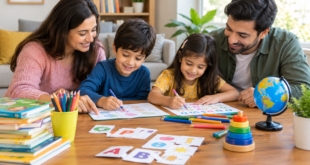


Family life can be wonderful, but it can also become busy very quickly. Between work, school, meals, household chores, appointments, shopping, homework, and personal responsibilities, it is easy for everyone to feel overwhelmed. In my experience, family organization does not have to mean following a strict schedule every minute of the day. It is more about creating simple systems that help everyone know what needs to be done and when.
A well organized family routine can reduce daily stress, save time, and make the home feel more peaceful. The good thing is that you do not need expensive planners or complicated systems to get started. A few simple habits can make a noticeable difference.
In this article, I will share some practical and simple ways to make family life more organized while still leaving room for relaxation and quality family time.
Create a Simple Family Schedule
One of the easiest ways to improve family organization is to create a shared family schedule. When everyone has different activities, it can become difficult to remember who needs to be where and when.
A family calendar can help solve this problem. You can use a wall calendar, notebook, whiteboard, or digital calendar. The important thing is to choose something that everyone can easily see and understand.
Write down important events such as school activities, work commitments, medical appointments, birthdays, sports practices, shopping days, and family activities.
I believe a simple schedule works better than an overly complicated one. Focus on the activities that actually matter and avoid filling every space with tasks.
Plan the Week Ahead
Spending a few minutes planning the upcoming week can make the rest of the week much easier. Choose one day when the family can sit together and look at what is coming.
Check school schedules, work commitments, appointments, meals, shopping needs, and household responsibilities.
For example, if you know that Tuesday will be especially busy, you can plan an easy dinner for that evening. If the weekend is free, you can decide in advance whether you want to clean the house, visit relatives, spend time outdoors, or simply relax.
Weekly planning helps prevent last minute decisions and gives everyone a better idea of what to expect.
Give Every Family Member Responsibilities
A home becomes much easier to manage when everyone contributes. Parents should not have to handle every household responsibility alone.
Children can also participate in age appropriate household chores. Simple tasks such as putting toys away, arranging books, folding clothes, setting the table, or helping with groceries can teach responsibility.
Make responsibilities clear rather than assuming that everyone knows what to do. You can create a simple family chore chart and assign regular tasks to each person.
The goal is not to make children feel pressured. Instead, household responsibilities should help them understand that family life works better when everyone helps.
Keep Important Items in the Same Place
A surprising amount of time can be wasted searching for everyday items. Keys, school bags, shoes, documents, chargers, and other things often seem to disappear when the family is in a hurry.
One simple solution is to create specific places for commonly used items.
For example, you can have a small basket for keys, a shelf for school bags, a drawer for chargers, and a designated area for shoes. Once everyone knows where things belong, returning them to the correct place becomes a habit.
This small change can make busy mornings much smoother.
Prepare for the Next Day at Night
Morning routines often become stressful because families try to complete too many tasks at the same time. One of the best ways to improve family organization is to prepare some things the night before.
Children can pack their school bags, prepare clothes, organize books, and place shoes near the door. Parents can prepare lunch items, check the next day’s schedule, and organize anything needed for work.
These tasks may take only a few minutes, but they can save valuable time in the morning.
I find that preparing ahead also creates a calmer start to the day. Instead of searching for missing items, everyone can focus on getting ready.
Create Easy Morning and Evening Routines
Family routines make daily life more predictable. A morning routine might include waking up, getting dressed, having breakfast, brushing teeth, checking school bags, and leaving home.
An evening routine might include dinner, cleaning up, preparing for tomorrow, relaxing, and getting ready for bed.
The routine does not need to be identical every day. The purpose is simply to create a familiar order for regular activities.
Children especially benefit from knowing what comes next. It can make transitions easier and reduce arguments about everyday tasks.

Plan Family Meals
Meal planning is another simple way to make family life more organized. Deciding what to cook every day at the last minute can be tiring.
Instead, choose several meals for the week in advance. You do not have to plan every meal perfectly. Even knowing what you will prepare for dinner on most days can reduce stress.
Create a grocery list based on your meal plan. This can help you avoid unnecessary shopping trips and reduce food waste.
You can also involve children in choosing meals. This gives them an opportunity to learn about food, planning, and household responsibilities.
Keep a Family To Do List
A shared family to do list can help everyone remember important tasks. It can include things such as buying groceries, paying bills, cleaning a room, returning library books, or preparing for an upcoming event.
Keep the list somewhere visible. A whiteboard in the kitchen or a shared digital note can work well.
Try not to put every small activity on the list. Focus on tasks that are important enough to require attention.
Checking items off the list can also give everyone a sense of progress.
Reduce Clutter Around the Home
An organized family environment becomes difficult to maintain when there is too much clutter. You do not need to completely redesign your home. Start with one area at a time.
Look at places where things frequently pile up, such as the kitchen counter, entryway, children’s rooms, or dining table.
Remove items that are no longer needed and give commonly used belongings a permanent home.
I believe organization becomes easier when there are fewer unnecessary things to manage. A simpler home usually requires less time to clean and maintain.
Use Labels and Storage Baskets
Storage baskets and simple labels can make household organization easier, especially when children are involved.
You can have separate baskets for toys, books, school supplies, sports equipment, or seasonal items. Labels help everyone know where things belong.
Storage does not have to be expensive. Reusable boxes, baskets, drawers, and shelves can all be useful.
The main idea is to make storage practical. If putting something away requires too many steps, people may stop doing it.
Set Realistic Daily Goals
One common mistake families make is trying to accomplish too much every day. A long list of tasks can create unnecessary pressure.
Instead, choose a few important priorities. For example, completing schoolwork, preparing dinner, cleaning the kitchen, and spending some quality time together may be enough for one day.
Not every day needs to be perfectly productive. Some days will be busier than others.
Family organization should make life easier, not create another source of stress.
Make Time for Family
Being organized is not only about completing tasks. It is also about protecting time for the people who matter.
Try to create regular opportunities for family connection. This could be eating dinner together, taking a walk, playing a board game, watching a movie, or simply talking before bedtime.
When every hour is filled with responsibilities, family members can start feeling like they are constantly working through a checklist.
A good family schedule should include both responsibilities and relaxation.
Teach Children Organizational Skills
Children can learn organization from everyday family life. Show them how to prepare their school bags, organize their rooms, keep track of homework, and prepare clothes for the next day.
Instead of doing everything for them, gradually give them more responsibility as they become capable.
This helps children develop useful skills that can benefit them at school and later in life.
Be patient because organization is a skill that develops over time. Children will make mistakes, forget things, and sometimes need reminders.
Review Your Routine Regularly
A family routine should not remain exactly the same forever. Family needs change as children grow, work schedules change, and new activities are added.
Every few weeks, take some time to review what is working and what is creating problems.
Maybe the morning schedule needs more time. Perhaps the chore list is too long. Maybe meal planning is working well but grocery shopping needs a better system.
Make small adjustments instead of trying to change everything at once.
Final Thoughts
Making family life more organized does not require a perfect household or a strict schedule. In my view, the best organization systems are simple enough for everyone to follow consistently.
Start with a shared family schedule, plan the week ahead, assign household responsibilities, organize important items, prepare for the next day, and create simple morning and evening routines. Meal planning, decluttering, storage systems, and family to do lists can also make everyday life easier.
Most importantly, remember that organization should support family life rather than control it. There will always be unexpected situations, busy days, and changes in plans. A good system should be flexible enough to handle them.
The goal is not to make every day perfect. The goal is to reduce unnecessary stress, save time, encourage responsibility, and create more opportunities for family members to enjoy being together. Even a few small organizational habits can make a meaningful difference in how a family manages everyday life.