 octopushas3hearts
Related Articles


Encouraging good behavior in children is one of the most important parts of parenting. In my view, children do not simply learn good behavior by being told what not to do. They learn through everyday experiences, examples, encouragement, patience, and clear guidance. The way parents respond to a child’s behavior can have a strong effect on how the child learns to communicate, manage emotions, and make better choices.
Every child is different. Some children respond quickly to praise, while others need more time and repeated guidance. This is why I believe parents should focus on understanding the reason behind a behavior instead of only reacting to the behavior itself. When children feel respected and understood, they are often more willing to listen and cooperate.
Understand What Good Behavior Means
Before encouraging good behavior in children, parents need to clearly understand what they expect. A young child may not automatically know that shouting, interrupting, or taking another child’s toy is inappropriate. They need simple explanations and regular reminders.
Instead of saying, “Do not behave badly,” it is more helpful to explain exactly what you want. For example, parents can say, “Please use a gentle voice,” or “Let us wait until your brother finishes speaking.”
Clear instructions make expectations easier for children to understand. When parents use simple and age appropriate language, children are more likely to know what they should do.
Praise Good Behavior
One of the easiest ways to encourage positive behavior is through genuine praise. Children usually enjoy knowing that their parents notice their efforts.
When a child shares a toy, helps clean up, listens carefully, or uses polite words, acknowledge the behavior. Instead of giving general praise such as “Good job,” try to mention the specific action.
You could say, “I really liked how you shared your toys with your sister,” or “Thank you for putting your books away without being asked.”
Specific praise helps children understand which behavior was positive. It also makes praise more meaningful because the child knows exactly what they did well.
Give Attention to Positive Actions
Children naturally seek attention from adults. Sometimes they may repeat unwanted behavior because they discover that it gets a strong reaction. For this reason, I think it is important to give plenty of attention to positive behavior.
When a child is quietly playing, helping someone, or following instructions, notice it. A smile, kind word, hug, or short conversation can show the child that positive actions receive attention too.
This does not mean ignoring serious or unsafe behavior. It simply means creating more opportunities for children to receive positive attention during normal daily activities.
Be a Good Role Model
Children learn a lot by watching adults. Parents may explain the importance of patience, kindness, and respect, but children also observe how adults behave during stressful situations.
If parents want children to speak politely, they should try to use respectful language themselves. If they want children to manage anger calmly, they can demonstrate calm communication when they are frustrated.
In my opinion, being a good role model is one of the most powerful ways to encourage good behavior in children. Children may forget a lecture, but they often remember what they regularly see at home.
Set Clear and Consistent Rules
Children need boundaries because rules help them understand what is expected. However, rules do not need to be complicated.
A family might have simple rules such as speaking respectfully, putting toys away after playing, washing hands before meals, and treating others kindly.
Consistency is important. If a rule is important today but completely ignored tomorrow, children may become confused. Parents do not need to respond perfectly every time, but maintaining reasonably consistent expectations can make daily routines easier.
Use Positive Reinforcement
Positive reinforcement means recognizing and encouraging a behavior that you want to see again. It can be as simple as verbal praise, a smile, extra reading time, or choosing a family activity.
Rewards do not always need to involve money or expensive toys. In fact, I believe attention and appreciation can often be more meaningful.
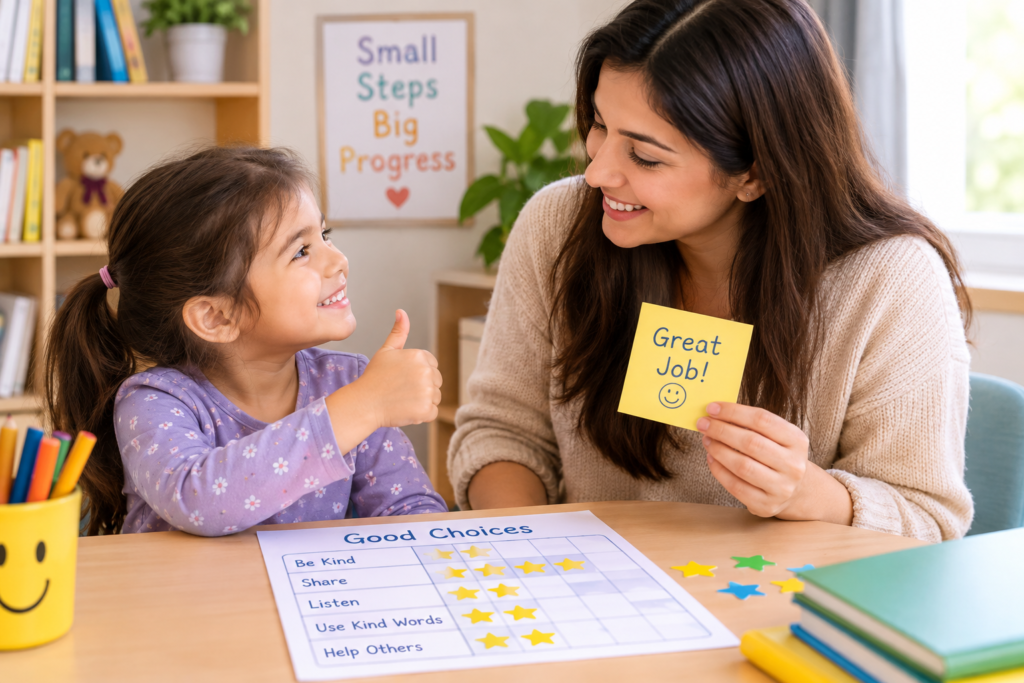
A simple behavior chart with stars or stickers can also help younger children understand progress. The main purpose should be to encourage positive habits rather than make children feel that every good action requires a prize.
Teach Children About Feelings
Sometimes what looks like bad behavior is connected to an emotion that a child does not know how to express. Children can become angry, disappointed, tired, jealous, or overwhelmed.
Teaching children to identify feelings can help them communicate instead of acting out. Parents can say, “I can see that you are angry because playtime is over. It is okay to feel angry, but it is not okay to hit.”
This approach teaches an important lesson. Feelings are acceptable, but certain actions are not. Children can gradually learn healthier ways to express difficult emotions.
Give Children Choices
Giving children limited choices can reduce unnecessary arguments. Children often want to feel that they have some control over their lives.
Instead of asking an open question such as, “Are you going to get dressed?” parents can offer two reasonable choices. For example, “Would you like to wear the blue shirt or the green shirt?”
Both choices lead to the desired outcome, but the child gets to participate in the decision.
I find this approach useful because it turns some daily tasks into cooperation instead of a constant struggle between parent and child.
Keep Expectations Age Appropriate
A common mistake is expecting children to behave like adults. Young children are still developing emotional control, communication skills, and the ability to understand consequences.
A toddler may struggle with waiting. A preschool child may have difficulty controlling frustration. An older child may understand rules but still make mistakes when emotions are strong.
Parents should consider the child’s age and development when setting expectations. Good behavior develops gradually, so patience is an important part of the process.
Avoid Constant Criticism
Correcting children is sometimes necessary, but constant criticism can make them feel that they are always doing something wrong. If every interaction focuses on mistakes, children may become discouraged or stop responding positively to guidance.
Try to balance correction with encouragement. If a child makes a mistake, explain what happened and what could be done differently next time.
For example, instead of simply saying, “You are always making a mess,” try saying, “The toys are all over the floor. Let us put them back in the box together.”
The second approach focuses on the behavior rather than attacking the child’s character.
Teach Through Natural Consequences
Children can learn valuable lessons from reasonable and safe consequences. If a child refuses to put away a toy and then cannot find it later, that experience may help them understand why organization matters.
Consequences should be related to the behavior whenever possible. They should also be explained calmly.
The goal should not be to make a child suffer. The goal is to help the child understand that choices can have results.
Create Predictable Routines
Children often behave better when they know what to expect. A predictable routine can make mornings, meals, homework, playtime, and bedtime easier.
For example, a bedtime routine might include putting toys away, changing clothes, brushing teeth, reading a story, and going to bed.
When children become familiar with routines, they may need fewer reminders. A routine also helps reduce confusion because children understand what comes next.
Spend Quality Time Together
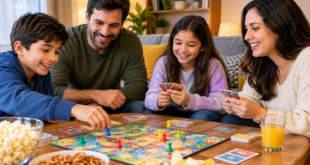
Sometimes positive behavior improves when children simply receive more meaningful attention from their parents. Spending a few minutes playing, reading, talking, drawing, or walking together can strengthen the parent child relationship.
Children who feel connected to their parents are often more willing to communicate their needs and accept guidance.
Quality time does not need to be expensive or complicated. Even a short period of focused attention without phones or other distractions can be valuable.
Stay Calm During Difficult Behavior
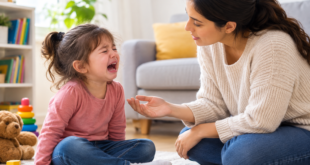
One of the hardest parts of parenting is staying calm when a child is shouting, crying, refusing to cooperate, or having a tantrum. However, a parent’s reaction can influence the situation.
If an adult responds with more shouting, the situation may become even more stressful. A calm voice and simple instructions can help create a calmer environment.
This does not mean parents should allow inappropriate behavior. They can remain firm while staying respectful.
For example, a parent might say, “I know you are upset, but I will not let you hit anyone. When you are ready, we can talk.”
Be Patient With Progress
Encouraging good behavior is a long process. Children will make mistakes, forget rules, test boundaries, and sometimes return to behaviors that parents thought they had already outgrown.
I believe parents should look at progress over time instead of expecting perfection every day. Small improvements matter.
If a child usually shouts but begins using words to explain frustration, that is progress. If a child normally refuses to clean up but starts putting away a few toys, that is also progress.
Recognizing these small steps can encourage children to keep trying.
Final Thoughts
Encouraging good behavior in children is not about controlling every action or expecting children to be perfect. It is about teaching them the skills they need to make positive choices.
Parents can encourage good behavior by setting clear expectations, praising positive actions, being good role models, teaching emotional awareness, creating routines, offering reasonable choices, and responding calmly to mistakes.
From my point of view, patience and consistency are at the heart of positive parenting. Children need time to learn, and they benefit from knowing that their parents are there to guide them.
When parents focus not only on correcting unwanted behavior but also on noticing and encouraging positive behavior, children can gradually develop confidence, responsibility, kindness, and self control. Good behavior is not learned overnight. It grows through everyday interactions, repeated practice, and supportive relationships.