 octopushas3hearts
Related Articles

Raising a child is not only about keeping them safe, teaching them good manners, or helping them succeed in school. In my view, one of the most important parts of parenting is teaching children how to become independent. Independence helps children learn how to make choices, solve everyday problems, take responsibility, and feel confident in their own abilities.
Many parents naturally want to help their children with everything. This comes from love and care, but sometimes doing too much for a child can prevent them from learning important life skills. Children need opportunities to try things on their own, make small mistakes, and discover what they can accomplish.
Encouraging independence in children does not mean leaving them completely on their own. It means giving them age appropriate responsibilities while remaining available when they genuinely need support. With patience and consistency, parents can help children become more confident and responsible.
Why Independence Is Important for Children
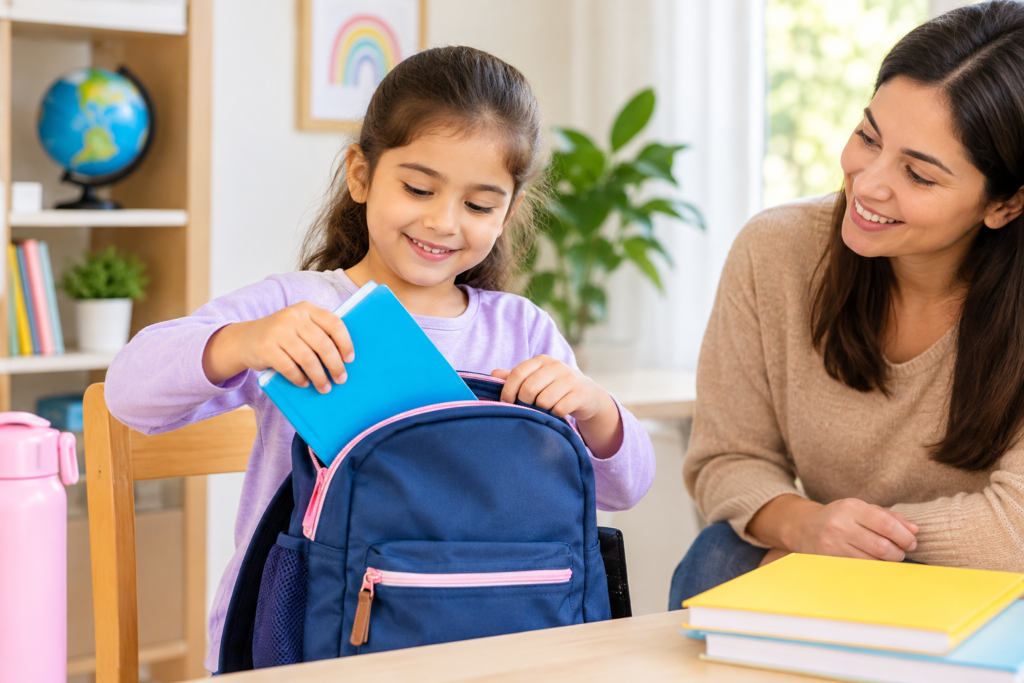
Independence gives children a sense of confidence. When a child completes a task without constant help, they begin to understand that their actions can produce results. Even simple activities such as putting away toys, choosing clothes, preparing a school bag, or helping with household tasks can build confidence.
Independent children also have more opportunities to develop problem solving skills. Instead of immediately asking an adult to fix every problem, they can learn to think about possible solutions.
Another important benefit is responsibility. When children have regular tasks, they begin to understand that everyone in a family has responsibilities. This can help them develop habits that remain useful as they grow older.
From my point of view, independence is not something that suddenly appears when a child becomes a teenager. It develops slowly through everyday experiences during childhood.
Start With Small Responsibilities
One of the easiest ways to encourage independence in children is to give them small responsibilities. The task should match their age and abilities.
A young child may be able to put toys into a storage box. An older child might organize school supplies, place dirty clothes in the laundry basket, or help set the table.
The goal is not to make children responsible for everything. The goal is to give them regular opportunities to contribute.
Parents should also give children enough time to complete their responsibilities. If a child takes longer than an adult, that is normal. Taking over immediately can send the message that the child is not capable.
Let Children Make Simple Choices
Giving children choices is another practical way to build independence. Children do not need to make major decisions. Simple choices are enough.
For example, parents can ask whether a child wants to wear a blue shirt or a green shirt. They can choose between two healthy snacks or decide which book they would like to read before bedtime.
These small decisions help children practice thinking about options and accepting the results of their choices.
I believe parents should provide reasonable boundaries while still allowing children some freedom. Instead of saying, “Choose anything you want,” it can be more helpful to offer two or three suitable options.
Teach Children How to Solve Problems
Parents often want to solve problems quickly because they do not like seeing their children frustrated. However, frustration can sometimes be an important part of learning.
If a child cannot find a particular toy, for example, parents do not always need to find it immediately. They can ask questions such as, “Where did you use it last?” or “What places could we check?”
This approach encourages the child to think instead of simply waiting for an adult to provide the answer.
Problem solving is an important part of independence because children will face situations throughout life where parents cannot be present to solve every problem.
Allow Children to Make Mistakes
Children learn through mistakes. Of course, parents should prevent dangerous situations, but small everyday mistakes can provide valuable lessons.
A child may forget to put a school item in their bag or choose clothing that is not suitable for the weather. Instead of immediately criticizing them, parents can help them understand what happened and how they can handle the situation differently next time.
In my opinion, the goal should not be to raise children who never make mistakes. It should be to raise children who can learn from their mistakes.
When children know that mistakes are opportunities to learn, they may become more willing to try new things.
Create Simple Daily Routines
A predictable routine can make independence much easier. Children are more likely to complete tasks themselves when they know what needs to happen next.
A morning routine might include getting dressed, brushing teeth, eating breakfast, and preparing a school bag. An evening routine might include putting toys away, preparing clothes for the next day, brushing teeth, and getting ready for bed.
Parents can create a simple checklist for younger children. Pictures can also be useful for children who are still learning to read.
Over time, children can begin following the routine with less parental assistance.
Encourage Children to Help at Home
Household activities are excellent opportunities for teaching independence. Children can help with tasks such as folding clothes, organizing books, watering plants, cleaning their room, or setting the table.
These activities teach practical skills while also helping children understand that maintaining a home is a shared responsibility.
Parents should avoid expecting perfection. A child’s work may not look exactly like an adult’s work, and that is okay. The important thing is that the child is learning.
Positive encouragement can make these activities more enjoyable. A simple statement such as “You handled that yourself” can help a child feel proud of their effort.
Avoid Doing Everything for Your Child
Sometimes parents become so used to helping that they automatically do things their children could reasonably do themselves.
For example, a parent may pack the child’s school bag, put away their toys, choose their clothes, or clean their room even when the child is old enough to participate.
There is nothing wrong with helping when a child needs support. The problem occurs when help becomes a replacement for learning.
Before doing a task for a child, parents can ask themselves whether the child could safely try it independently. If the answer is yes, allowing them to try may be more beneficial.
Give Clear Instructions
Children may struggle with independence when instructions are too complicated. Clear and simple directions are usually more effective.
Instead of giving five instructions at once, parents can break a task into smaller steps.
For example, when teaching a child to organize their room, the parent might first ask them to put books on the shelf. After that, they can put toys in their storage area and then place clothes where they belong.
As children become comfortable with the process, parents can gradually reduce their guidance.
Praise Effort and Responsibility
Encouragement can have a powerful effect on children’s confidence. However, parents should focus on effort, responsibility, and progress rather than praising every small action excessively.
Instead of only saying, “You are so smart,” parents can say, “You kept trying until you figured it out.”
This type of encouragement shows children that persistence matters.
It is also useful to recognize improvement. A child who previously needed help getting ready but now completes most of the routine alone is making progress worth noticing.
Respect Your Child’s Personality
Every child develops independence differently. Some children naturally want to do everything themselves, while others may be more cautious and prefer adult support.
Parents should avoid comparing children with siblings, classmates, or friends.
A child who needs more time should not automatically be considered incapable. Patience can be especially important when a child is learning a new skill.
The aim is to gradually increase confidence rather than forcing independence before the child is ready.
Teach Personal Responsibility
As children grow, they can take responsibility for their belongings, schoolwork, schedules, and personal spaces.
For example, parents can teach children to check whether they have their books and supplies before leaving for school. Older children can learn to keep track of homework deadlines and prepare materials for activities.
These habits can become valuable as children enter their teenage years and eventually adulthood.
Responsibility should increase gradually. A five year old and a fifteen year old should obviously have very different responsibilities.
Be Available When Your Child Needs Help
Encouraging independence does not mean refusing to help. Children still need emotional support, guidance, and reassurance.
If a child is struggling with a difficult task, parents can offer guidance without immediately taking control. Sometimes the best response is simply to stay nearby and encourage the child to keep trying.
Children should know that asking for help is not a failure. True independence includes understanding when you can handle something yourself and when you need assistance.
Build Confidence Through Everyday Activities
Parents do not need expensive programs or complicated activities to encourage independence. Everyday life provides many opportunities.
Children can learn independence while getting dressed, preparing simple snacks with appropriate supervision, organizing toys, choosing books, helping with household tasks, and making decisions about their daily routines.
These ordinary experiences may seem small, but they can have a lasting effect.
From my perspective, consistent practice is more important than occasional big lessons. A child who gets regular opportunities to do things independently is likely to develop confidence naturally over time.
Final Thoughts
Learning how to encourage independence in children is really about finding the right balance between guidance and freedom. Parents should protect children from serious risks while still allowing them to experience age appropriate challenges.
Small responsibilities, simple choices, problem solving opportunities, household activities, daily routines, and supportive encouragement can all help children become more independent.
The process takes patience. Children will sometimes make mistakes, become frustrated, or ask for help. That is completely normal. Independence develops gradually through repeated experiences.
In my view, one of the greatest gifts parents can give their children is the confidence to say, “I can try.” When children learn that they are capable of handling everyday challenges, they can become more responsible, confident, and prepared for the different stages of life ahead.