 octopushas3hearts
Related Articles
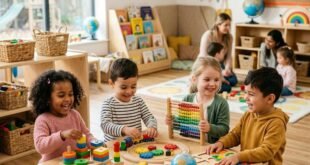
I believe play is one of the most important parts of childhood. When we see children playing, it can look like they are simply having fun, running around, building things, or pretending to be someone else. However, play is much more than entertainment. It gives children opportunities to explore the world, express their feelings, develop skills, solve problems, and interact with other people.
In my view, children learn many important lessons naturally when they are given enough time and freedom to play. They do not always need a formal lesson or a structured activity to learn something valuable. A simple game with blocks, a ball, dolls, drawing materials, or other children can support different areas of development.
Understanding why play is important for child development can help parents, teachers, and caregivers create better opportunities for children to learn while enjoying their childhood.
What Is Play in Child Development?
Play is a natural activity through which children explore ideas, objects, relationships, and their surroundings. It can take many forms. Children may play alone, with parents, with siblings, or with friends. They may build towers, draw pictures, play outside, create imaginary stories, solve puzzles, or simply run and move around.
Different types of play support different skills. Physical play helps children develop movement and coordination. Pretend play encourages imagination and communication. Building and puzzle activities can support thinking and problem solving. Group games can teach children about sharing, cooperation, patience, and following rules.
The important thing is that play gives children a chance to learn through experience.
Play Supports Cognitive Development
One of the biggest benefits of play is its effect on cognitive development. Children are constantly thinking while they play. They make decisions, test ideas, notice results, and try different solutions.
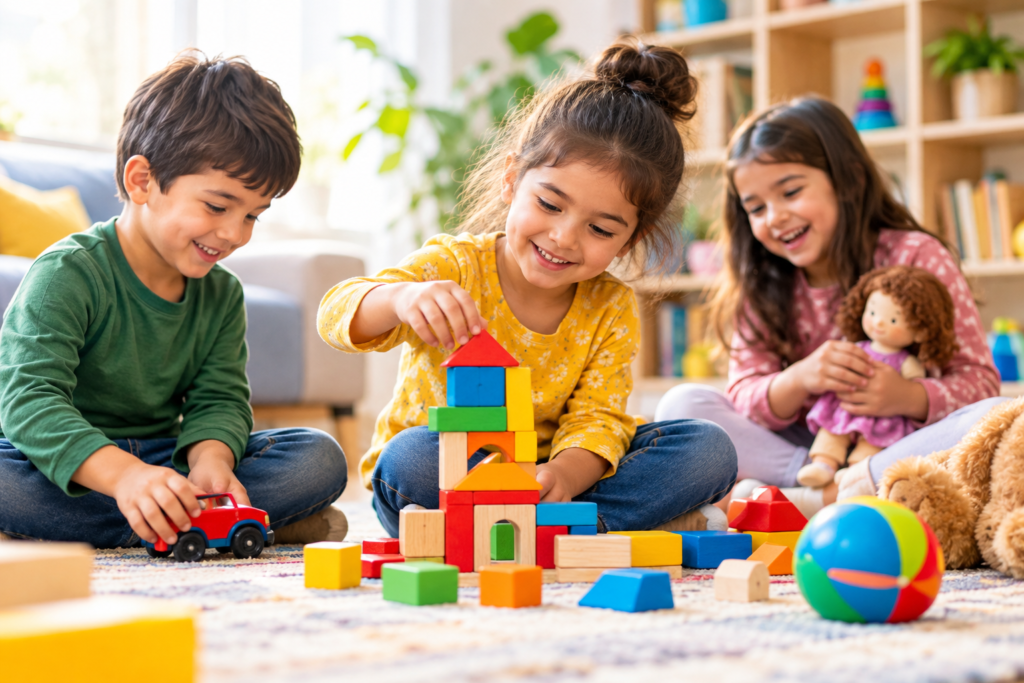
For example, when a child builds a tower with blocks, the child may discover that a wider base makes the tower more stable. If the tower falls, the child may try again and change the design. This simple activity involves observation, problem solving, planning, and learning from mistakes.
Puzzles, matching games, counting games, and building activities can also encourage logical thinking. Children learn concepts such as size, shape, number, position, and sequence through practical experiences.
From my point of view, this is one reason parents should not underestimate simple toys. A toy does not need to be expensive or complicated to provide a useful learning experience.
Play Helps Develop Language Skills
Language development is another important part of child development through play. Children often talk while they are playing. They describe what they are doing, ask questions, create stories, and communicate their ideas.
Pretend play can be especially useful. A child may pretend to be a doctor, teacher, shopkeeper, parent, or firefighter. During this type of play, children use words to create situations and communicate with others.
Playing with parents also gives children opportunities to learn new vocabulary. When adults talk with children about colors, objects, actions, and stories, children hear new words in meaningful situations.
I think everyday conversations during play can be more natural for children than simply asking them to memorize words. They learn language while actually using it.
Play Builds Social Skills
Children also learn how to interact with other people through play. When children play together, they have to communicate and understand each other’s ideas.
They may need to share toys, take turns, follow simple rules, negotiate roles, and solve disagreements. These experiences can help children understand cooperation and respect.
For example, if two children want the same toy, they may need to decide how they can both participate. With guidance from an adult, they can learn that communication and sharing can help solve problems.
Social play also gives children opportunities to understand different perspectives. A child may discover that another child has a different idea about how a game should be played. Learning to listen and respond appropriately is an important social skill.
Play Encourages Emotional Development
Children experience many emotions during play. They can feel excitement when they succeed, frustration when something does not work, disappointment when they lose a game, and happiness when they accomplish something.
These experiences give children opportunities to recognize and manage emotions.
Pretend play can also provide a safe way for children to express feelings. Sometimes children use toys, dolls, or imaginary characters to act out situations that they have experienced in everyday life.
In my opinion, adults should observe children’s play instead of always directing it. Their games can sometimes provide useful clues about what they are thinking or feeling.
Of course, play is not a replacement for professional support when a child has serious emotional or developmental concerns. However, everyday play can provide a healthy environment for emotional expression and connection.
Physical Play Supports Healthy Development
Physical play is also essential. Running, jumping, climbing, throwing, catching, dancing, and balancing allow children to use their bodies and develop physical skills.
Active play can support gross motor development, while activities such as drawing, cutting with child safe scissors, building with small blocks, and playing with clay can help develop fine motor skills.
Outdoor play provides additional opportunities for movement and exploration. A child can walk, run, observe nature, play with a ball, or explore different textures and objects.
I believe children need a balance between quiet activities and active movement. Sitting for long periods without opportunities for movement can reduce the variety of experiences children receive during the day.
Play Encourages Creativity and Imagination
Creativity is another major benefit of play. When children create imaginary stories, build structures, draw pictures, or use ordinary objects in new ways, they are using their imagination.
A cardboard box can become a house, car, shop, or spaceship. A blanket can become a tent. A few blocks can become a city.
This type of open ended play allows children to make their own decisions. Instead of following one fixed instruction, they can decide what they want to create and how they want their story to develop.
In my view, this freedom is valuable because children do not always need adults to provide every answer. Sometimes the best learning happens when children are allowed to experiment and discover things on their own.
Play Teaches Problem Solving
Children face small challenges during almost every type of play. A puzzle piece does not fit. A block tower falls. A game does not work as expected. A drawing does not look the way the child imagined.
Instead of seeing these moments only as failures, we can see them as learning opportunities.
Children can ask themselves what went wrong and what they can try next. This develops problem solving and persistence.
Parents can support this process by asking simple questions rather than immediately solving the problem for the child. Questions such as “What could you try next?” or “Why do you think it fell?” can encourage children to think independently.
Play Strengthens Parent and Child Relationships
Play is not only beneficial for children. It can also strengthen relationships between children and adults.
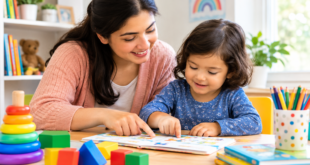
When parents sit with their children and play, they are giving them attention and showing that their ideas are important. Even a short period of focused play can create meaningful moments of connection.
Parents do not always need expensive toys or elaborate activities. Reading a story, drawing together, playing with blocks, going outside, or kicking a ball can be enough.
I personally think the quality of interaction matters more than the price of the toy. A simple activity can become valuable when an adult listens, talks, encourages, and enjoys the moment with the child.
Why Free Play Matters
Free play gives children more control over their activities. Instead of following a fixed set of instructions, children can choose what they want to do.
This can encourage independence, creativity, decision making, and self expression.
Structured activities also have their place, especially when children are learning specific skills. However, children need opportunities where they can explore without every action being controlled by an adult.
Free play can allow children to discover their interests naturally.
How Parents Can Encourage More Play
Creating opportunities for play does not have to be difficult. Parents can provide safe and age appropriate toys and allow children to explore them.
Some useful play ideas include:
- Building with blocks
- Drawing and coloring
- Reading and storytelling
- Playing with balls
- Pretend play
- Simple puzzles
- Outdoor exploration
- Music and dancing
- Water play with appropriate supervision
- Household role play
Parents can also rotate toys instead of giving children access to everything at once. This can make familiar toys feel interesting again.
Most importantly, adults should provide a safe environment and allow children enough time to play without unnecessary interruptions.
The Role of Play in Early Childhood
Early childhood is a period of rapid learning and development. Children are developing physical abilities, language, social understanding, emotional awareness, and thinking skills.
Play brings many of these areas together. A simple pretend game can involve language, imagination, social interaction, emotional expression, and problem solving at the same time.
This is why I believe play should be treated as an important part of childhood rather than something children do only after their real work is finished.
Learning and play do not always have to be separate. For young children, play can be one of the most natural ways to learn.
Final Thoughts
The question of why play is important for child development has a simple answer: play gives children opportunities to learn by doing. It supports cognitive development, language skills, social skills, emotional growth, physical abilities, creativity, and problem solving.
Children do not need expensive toys or complicated activities to benefit from play. What they need is time, safety, encouragement, and opportunities to explore.
From my perspective, one of the best things adults can do is give children space to be curious. Let them build, imagine, move, create, make mistakes, and try again. When children play, they are not simply passing time. They are experiencing the world and developing skills that can support them throughout life.
For parents and caregivers, the goal should not be to make every moment educational. Childhood also needs laughter, freedom, curiosity, and fun. When children have healthy opportunities to play, they can learn important lessons naturally while enjoying one of the most valuable parts of growing up.